
It’s 1941. A Polish priest stands up to a German officer, sacrificing himself to save the life of a stranger. Now having volunteered to enter a starvation cell, he fights to forge a brotherhood of hope with his cell mates in one of the darkest places on earth. There is no hope of rescue, no hope of honor, and yet there is still something to have hope in. Triumph of the Heart is a narrative feature film based closely on the true story of Maximilian Kolbe. Many of the details of what happened in that cell are lost to history, but through rigorous research, writer/director Anthony D’Ambrosio pieced together existing historical accounts, to write the narrative screenplay speculating what could have happened.
My involvement with this film was first as cinematographer, but quickly superseded that role. The lines separating responsibilities blurred beyond recognition throughout every part of the process. And it was in the most hectic, but also beautiful way. The story of making this film is one of sacrifice inspired by the act of self-sacrificial love. Our small rag-tag group stepped up to the occasion and did whatever was needed to complete the film.
First there was the proof of concept short we filmed in 2018 titled “Into Death and Beyond it” Created for the 635 conference and commissioned by the Catholic Diocese of Dallas. Anthony wrote and directed, Cecilia Stevenson produced, and I was Director of Photography. We had a shoe string budget, but managed to pull off something really impressive with a ton of heart.


We all walked away from the film deeply moved. In 2022 Anthony transformed the script into feature length form and with the short film, found investors to get us started.


Preproduction
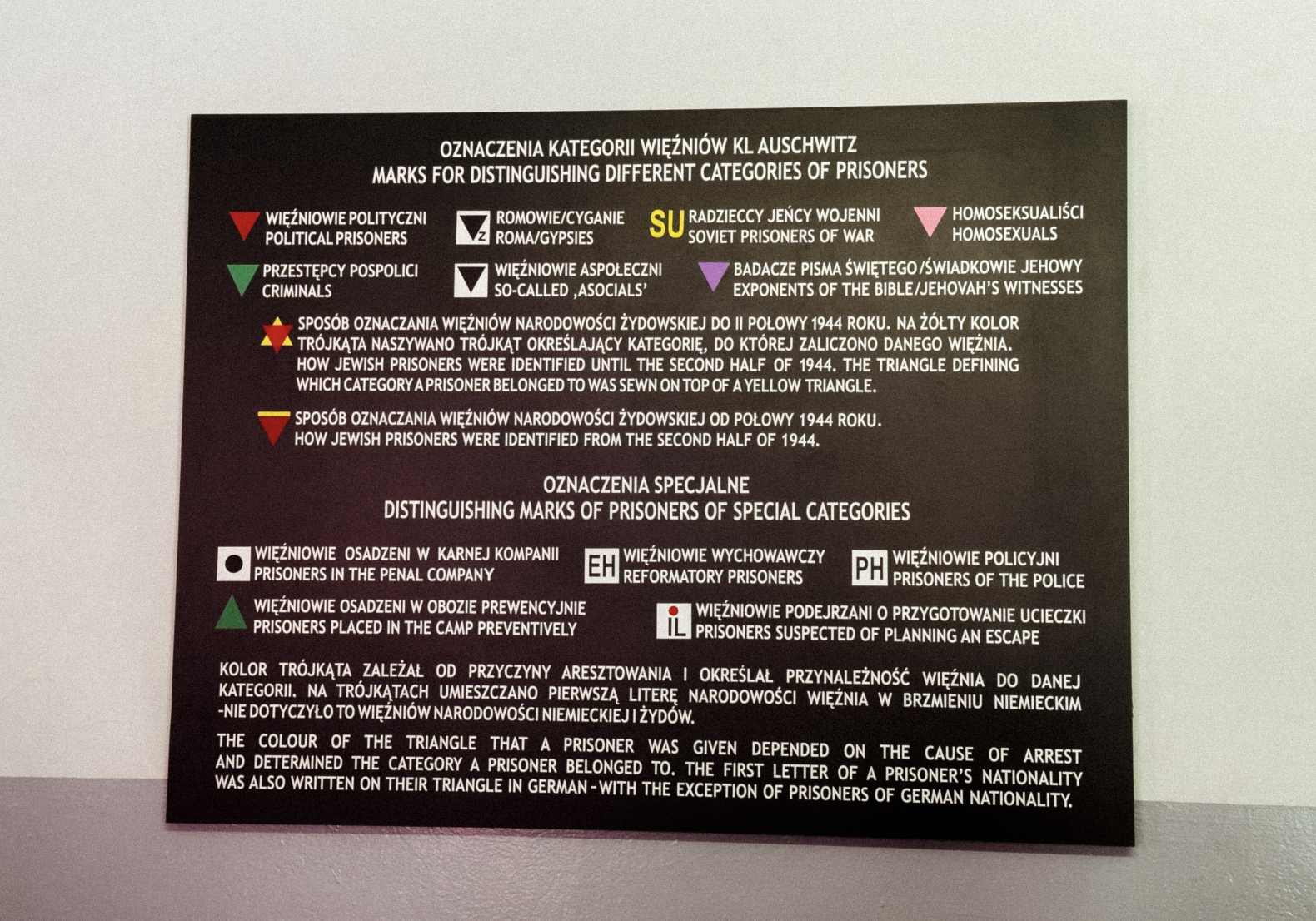
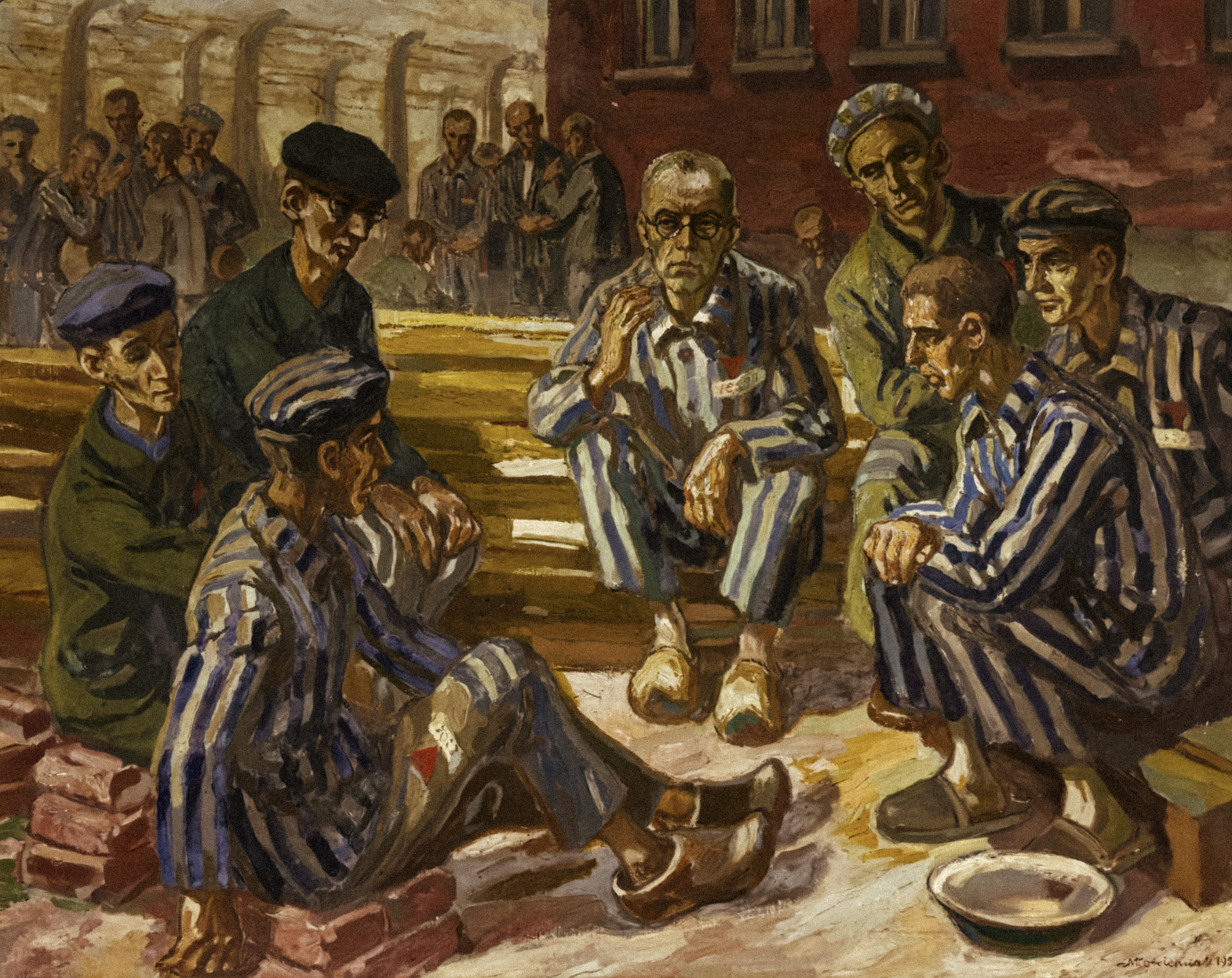
In September of 2023 we began our first day of production on the film in Poland, followed by location scouting for the rest of the production which would take place in October. Though I had done a decent level of research myself as DOP, the most impactful and informative took place in the midst of this location scouting. Three places. One, Niepokalanów, where Kolbe did a majority of his work in Poland before being taken to Auschwitz by the Nazis. Two was visiting the starvation cell Kolbe died in at Auschwitz 1. And third, and most impactful was a church basement. At the St Maximilian Kolbe Centre alongside the Franciscan monastery in Harmęże, a village situated directly adjacent to the site of Auschwitz II – Birkenau. This basement turned permanent art exhibition (titled “The Labyrinth”) is where you will find the works of Marian Kołodziej, prisoner no. 432. For 50 years this man never spoke a word of his time in the camp, until he had a stroke, which left him an intense urge to process his trauma through drawings, so much so that he would even draw on his bed sheets, some of which are on display in The Labyrinth. Before writing the feature script, Anthony was deeply moved by his experience there and during pre-production mentioned it often. Once I had the chance to visit, this instantly became my key source for a majority of the cinematography inside the cell. Throughout the Labyrinth you will find images and stories of unimaginable horror, but you will also find acts of selflessness by Maximilian Kolbe.






Production
During production, countless obstacles; all gifts in their own strange way. With a ton of heart from a ridiculously dedicated cast and crew, we completed production in November with just enough time to be back home for Thanksgiving.




In February of 2024 Anthony and I started the meticulous journey of editing our first feature. Later our amazing behind-the-scenes videographer joined the edit team, as I transitioned off for the summer to work on other projects. In August I hopped back in and finally, in January of 2025 we arrived at picture lock.